Day 97: Fatigue Discipline and Knowing When to Pull Back
Day 97 captures a demanding workday fueled by little sleep, a tough Jiu Jitsu session under injury, and an important realization about recovery, restraint, and long term discipline in the grind.
JIU JITSU
Mohamed Dahech
1/8/20265 min read
A Restless Night and an Early Start
Day 97 landed on Thursday, the final working day of the week. The day started far earlier than planned, much earlier than I had anticipated. I woke up around 3 in the morning, wide awake and full of thoughts, and could not fall back asleep despite my best efforts. When I finally drifted off again, it was already close to 5:30, which is my usual wake up time. How ironic it is that I often yearn for a more peaceful slumber, yet here I was, struggling to keep my eyes closed. Despite trying to sleep earlier these days with little success, my sleep habits are still far from ideal; they remain erratic and constantly elusive, leaving me exhausted.
I was thoroughly exhausted before the day even began, but I decided to stick to my routine and took a cold shower, hoping it would invigorate me for the long day ahead. It was not easy at all, but the cold water was refreshing and helped clear the fog from my mind. After that, I got ready and headed to work, knowing that I had to power through the fatigue.
Workload Pressure and Staying Composed
The workday was long but structured in a way that helped maintain my sanity. I had five teaching sessions lined up with three rest periods in between, which actually made it manageable. However, an unexpected task was added right at the last minute, complicating matters. I was asked to prepare and upload teaching videos for new students who may join the school, which meant extra time and effort on my part. That meant constant work either in my office or inside the classroom, noticeably stretching my endurance.
Fortunately, the more demanding classes were scheduled earlier in the day, while calmer and more cooperative groups came later, providing a small respite. That balance made a significant difference in how I handled the pressure. Even though the workload was heavy, I managed to keep my stress level under control; taking things one step at a time proved to be beneficial.
Crashing at Home and Recharging
As soon as I finished work, I went straight home and collapsed on the bed, utterly drained. My body felt completely depleted from exertion throughout the day. I slept deeply, or at least attempted to do so, and woke up around 6 in the evening, disoriented and hungry. At that point, I knew that boxing was not an option for me that night. I had not eaten properly throughout the day, I was not prepared for any physical activity, and the longer working hours had clearly taken their toll on my body and spirit.
Instead of pushing myself to the brink, I focused on recovery and preparation for Jiu Jitsu later in the evening, knowing that listening to my body was key.
Nutrition and Mental Reset
When I finally woke up again, I prepared a proper meal, one that I knew would fuel my body properly. Rice, chicken breast, bananas, strawberries, oranges, lettuce, dates, apples, and more filled my plate. I took my D3K2 and Omega 3 supplements and allowed myself to fully enjoy the meal, recognizing its importance after such a hectic week. This moment of calm felt entirely earned, a victory in self-care that I was grateful for.
Even though I missed boxing again, that nagging feeling of disappointment was mitigated by reminding myself that consistency over time is what truly matters more than the occurrence of just one session. Each step, however small, counts.
Heading to Jiu Jitsu and an Unexpected Invitation
Before heading out to Jiu Jitsu, I made sure to take my L Citrulline, collagen, vitamin C, and zinc. On the way to the gym, I fortuitously ran into my boxing coach as he was leaving. He invited me to a boxing session on Saturday at noon in another gym; the timing feels right, and I am tentatively planning to go, even though my right thumb and right elbow are still injured. This small invitation provided me with something positive to look forward to during a time when my body felt so fatigued and overwhelmed.
That brief conversation gave me something to genuinely look forward to, a glimmer of hope amidst the fatigue.
Warm Up Atmosphere and Belt Upgrades
At the Jiu Jitsu gym, the atmosphere felt incredibly supportive yet focused. The coach spoke briefly about stripes and belt progression, emphasizing that while time and consistency are essential, skill and understanding matter even more. I really liked that mindset. It highlighted not only the importance of physical training but also the philosophy behind what we do.
The warm up was intense, pushing every muscle to its limits: running, jumping jacks, sprints, push ups, sit ups, squats, and long stretching sequences specifically for the neck, back, arms, legs, and joints. Between the warm up and belt related activities, this part alone took well over half an hour, making me acutely aware of my physical condition.
Sparring Through Injury
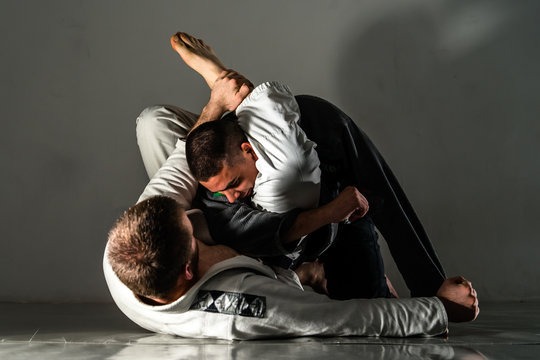
The next hour was dedicated entirely to sparring, arguably one of the most demanding aspects of training. I had seven or eight rounds in total, and predictably, I lost all of them, an outcome I had expected given my injuries and fatigue. Some partners went easy on me, focusing on teaching while others were competitive, pushing the pace hard. While I appreciated the effort, it was still a challenge.
My right thumb injury has not improved at all over the last nine or ten days. During most rounds, it felt like I was fighting with one arm tied behind my back. Early on, I tried to use both hands, but fatigue and pain quickly became overwhelming. By the later rounds, my body was utterly exhausted, and I felt every ounce of that strain.
At this point, it became abundantly clear that I truly need to rest my upper body. No punching, no heavy gripping, only focusing on legs, core work, stretching, and light conditioning for now.
Minor Injuries and Hard Realizations
During the very first sparring round, I took an unfortunate hit to the forehead from the back of someone’s foot, which left a small bump. I plan to ice it along with my thumb and elbow in hopes of expediting recovery. From the Muay Thai session I had the day before, I also have small cuts on my arms from clinching. Pain seems to be a persistent companion in my training journey.
While my left knee feels better now, which is definitely a relief, the ongoing pain in my right thumb, right elbow, and now my forehead serve as clear signs that my body really does need recovery time.
Looking Ahead With a Smarter Plan
On the way home, I made a stop at the grocery store to buy clean food, mentally preparing for the days ahead. I am actively trying to lose weight for an upcoming boxing tournament in two weeks if my injuries allow me to participate. However, my injury concerns loom large, and I am starting to contemplate if it’s going to be possible for me to join the competition.
For now, the plan is to attend the Saturday boxing session, using only my left hand and focusing exclusively on jabs and movement. After that, I will take the time to rest my upper body properly, allowing it to heal in its own time. Conditioning, running, skipping, and honing my technical footwork will become my primary focuses for the foreseeable future. Power can surely wait, as stamina and health are my first priorities.
Ultimately, I want to keep training for the long term; I do not wish to burn out or break down while chasing short term goals that may distract from the bigger picture.
Day 97 Lesson
Today reinforced a difficult yet necessary truth that I am slowly realizing more deeply. Discipline is not just about pushing harder and striving to reach your limits; it is equally about knowing when to step back, protect your body, and think long-term about your well-being. Ignoring injuries does not make you tougher, it only delays genuine progress and can lead to more extensive issues down the line.
Day 97 complete. Awareness sharpened, ego checked, and the grind continues with intention.
👉 How do you decide when to push through discomfort and when to step back and recover for the long haul? What strategies do you employ to ensure your longer-term health and success in your training pursuits?